
Southern Malta · Investment Guide
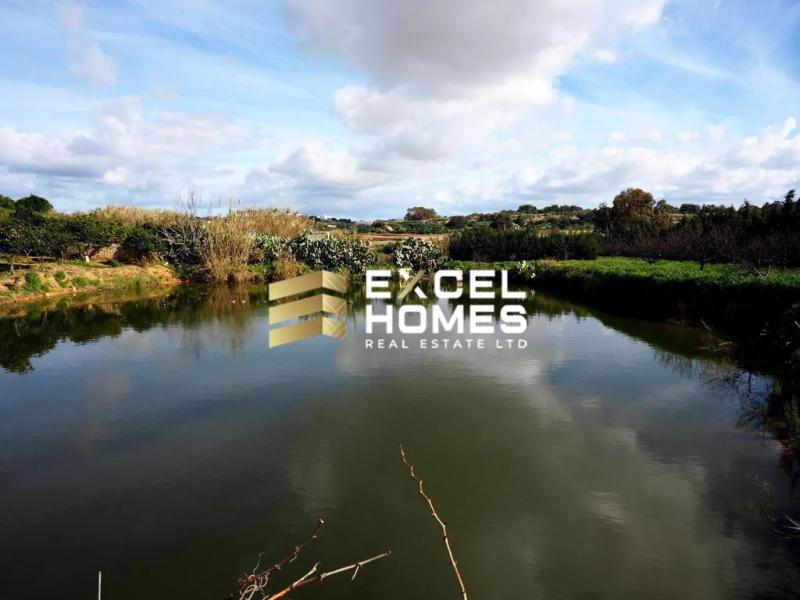
A village on Malta’s highest ground, above the Dingli Cliffs, rural and quiet.
The case
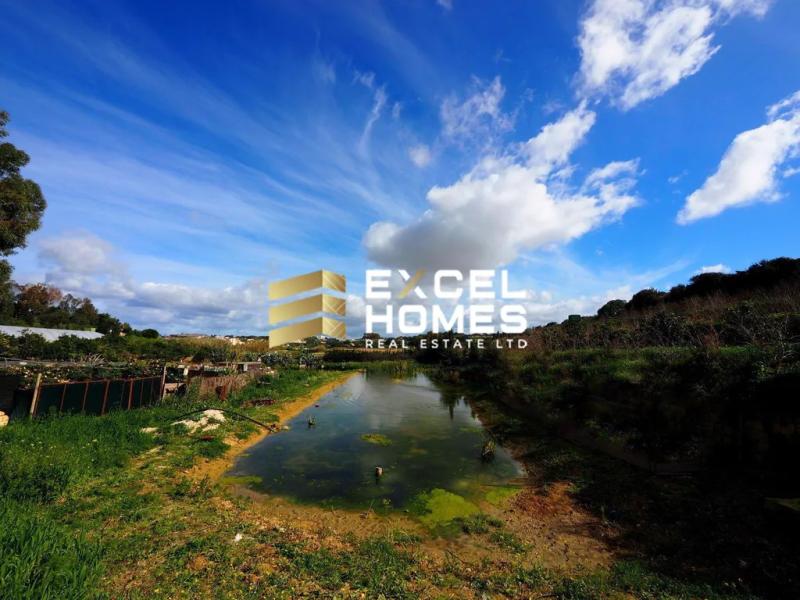
Dingli sits on the highest ground in Malta, above the cliffs that carry its name, looking out over open sea and farmland. It is small, rural and about as far from the harbour towns as the island allows.
Buyers come for exactly that. The stock is village housing and rural property, and the setting is the reason people choose it over somewhere better connected.
The market is small and the tenant pool smaller. This is a place to buy for the position and hold, not one to model a monthly return around.
The numbers
Completed sales in Dingli have ranged from 2 to 15 a month since 2024. The past twelve months carried 66 in total, down from 93 in the twelve months before that.
Promise of sale agreements, the deals in progress ahead of a deed, have ranged from 1 to 17 a month. The past twelve months carried 98, up from 70 in the twelve months before that.
Source: National Statistics Office (Malta), residential property transactions.
The supply pipeline
23 new dwellings were approved in Dingli this quarter, 40th of the 68 localities the National Statistics Office reported. That is a modest pipeline: most of what sells here will be existing stock rather than new build.
Source: National Statistics Office (Malta), residential building permits, Q1 2026.
Rental demand
Dingli holds 0.17% of all active residential rent contracts in Malta, the 62nd-highest of any locality, a small share, so the rental market here is thin next to the towns that dominate it.
Source: Housing Authority (Malta), Malta Rent Calculator, H1 2026. Reconstructed from the published tool's own chart, not a downloadable table - see data/README.md.
Run the numbers
Enter a price and see the deposit, stamp duty and notary costs a Maltese purchase actually carries.
The regulatory minimum for this buyer type is 20% - adjust the slider to match your own lender's terms.
Indicative figures based on standard Malta rates and a 30-year term at 4% - not a mortgage offer or financial advice. For income-based affordability, joint applicants and a shareable scenario, use the full finance calculator.
Buy-to-let
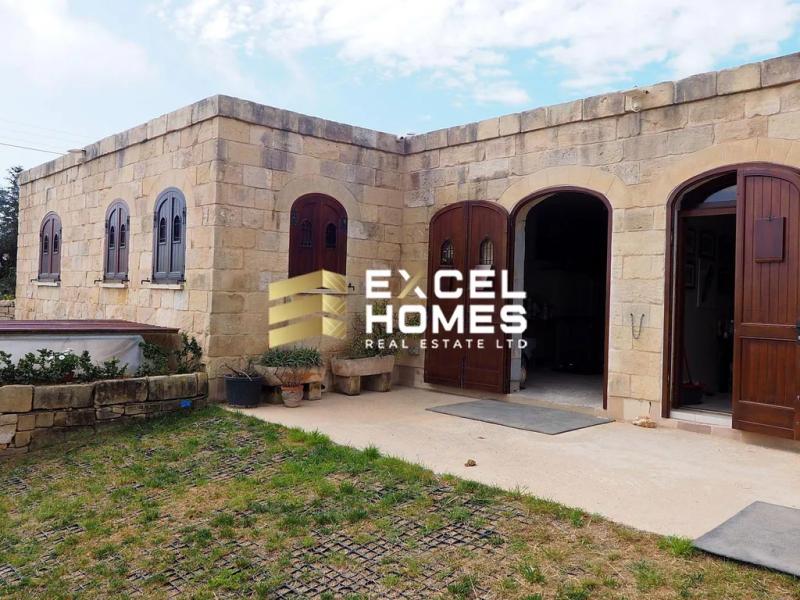
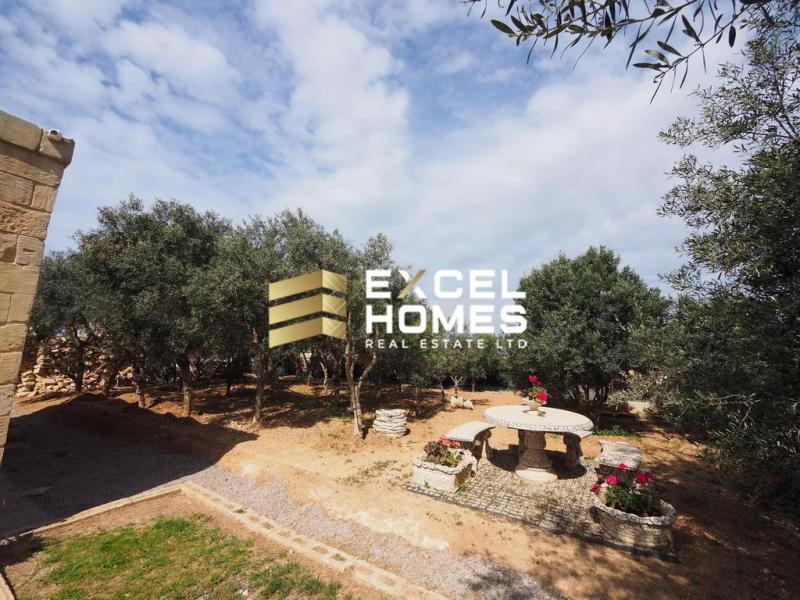
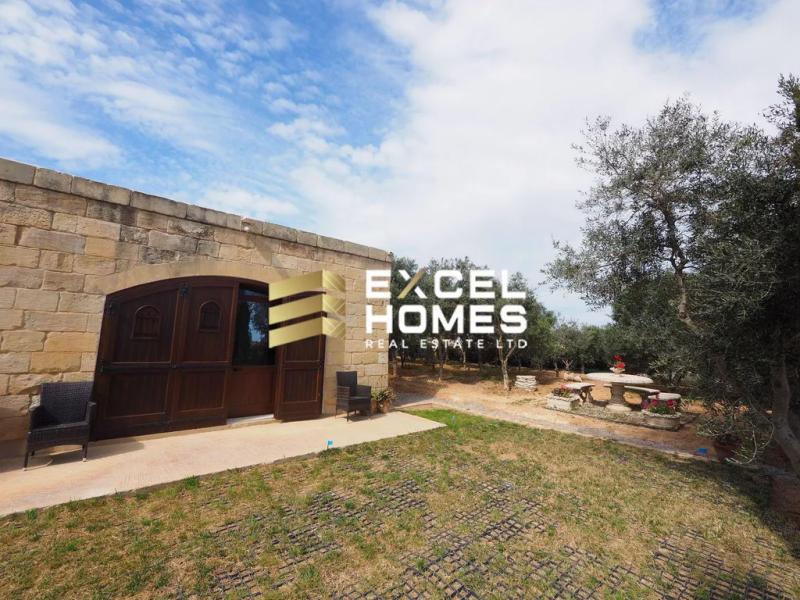
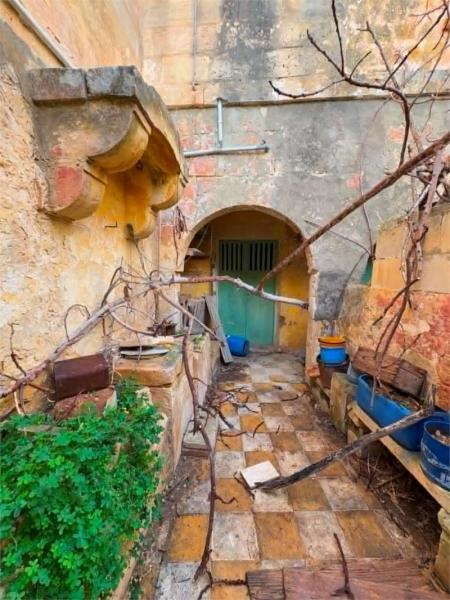
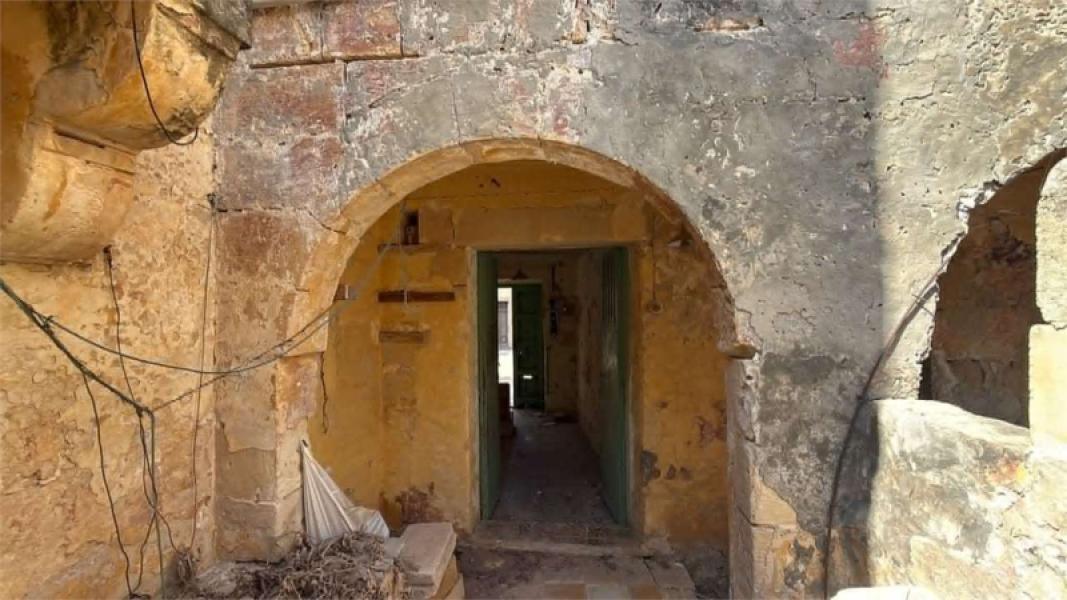
Homes on the market now that suit a rental or resale strategy.
Costs & incentives
The rules and schemes that shape the return on a Maltese property investment.
Rental income can be taxed at a flat 15% final withholding rate in Malta, a simple and competitive regime for landlords.
Buying or leasing property can form part of Malta’s residency routes for non-EU investors, alongside the other requirements.
Short-term holiday letting is possible but licensed and regulated. Long-let is the simpler route for most investors.
Good to know
Rarely: the market is small and house-led, and most buyers here intend to live in the property. Dingli accounts for 0.17% of Malta’s active residential rent contracts.
Between January 2024 and June 2026 the National Statistics Office recorded 198 final deeds of sale and 235 promise of sale agreements in Dingli, a monthly range of 2 to 15 completed sales. The busiest month in that window was May 2025, with 15.
23 new dwellings were approved in Dingli in the first quarter of 2026, 40th of the 68 localities the National Statistics Office reported. New build is a modest part of this market, so most of what trades here is existing stock.
Yes. Non-residents can buy in Malta, usually through an Acquisition of Immovable Property permit, though many apartments in designated areas are exempt and Special Designated Areas carry no restriction at all. We can confirm the position for any specific property in Dingli.
As a rule of thumb, budget around 5% stamp duty plus notary fees, searches and any agency or legal fees. Off-plan and first-time purchases may qualify for reduced duty, so check the grants and schemes for the reliefs that currently apply. The calculator above works the figures through for a given price.