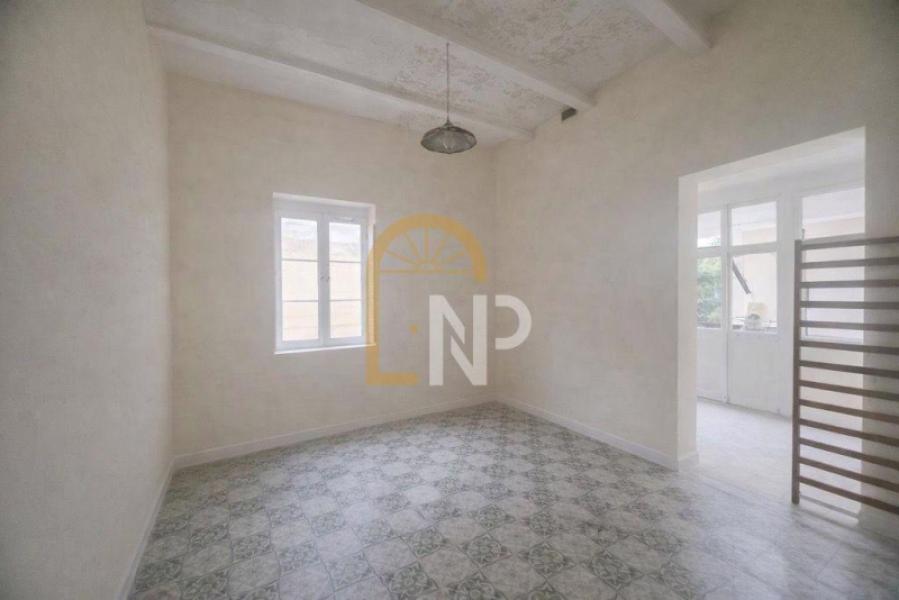
 €890,000
Central Malta · Investment Guide
Investing in Sliema
One of Malta’s deepest property markets: steady rental demand from professionals and expats, a broad pool of resale buyers, and a seafront address that holds its value.
3.7%Typical gross yield
€1,600Average monthly rent
€6,800Price per m²
5.2%Annual price growth
The case
Why investors buy in Sliema
Sliema combines the two things a property investor wants most in Malta: reliable rental demand and liquidity on exit. Its seafront location, walkability and concentration of offices, shops and schools keep it near the top of tenants’ and buyers’ lists all year round.
The tenant pool is broad and stable, professionals, relocating expats and remote workers who want to live near the sea without a car. That depth of demand supports steady occupancy and limits void periods compared with quieter towns.
On resale, the scarcity of land and Sliema’s enduring appeal mean well-chosen apartments hold their value and tend to sell quickly. Seafront and high-floor units command the strongest premiums, while homes to modernise leave room to add value.
The numbers
Sliema by the numbers
Indicative figures for the local investment market.
0%Typical occupancyLong-let, indicative
€0Average monthly rentTwo-bedroom
0.0–4%Gross yield rangeLong-let apartments
0 weeksAverage time to letIn-demand stock
The investment case
What a Sliema buy-to-let looks like
€0Purchase price
€0Monthly rent
€0Annual rent
0.0%Gross yield
Indicative only, based on a typical two-bedroom apartment let long-term. Net yield depends on service charges, management, tax and void periods. We can model a specific property with you.
Buy-to-let
Investment-grade homes in Sliema
Apartments and penthouses on the market now that suit a rental or resale strategy.
€890,000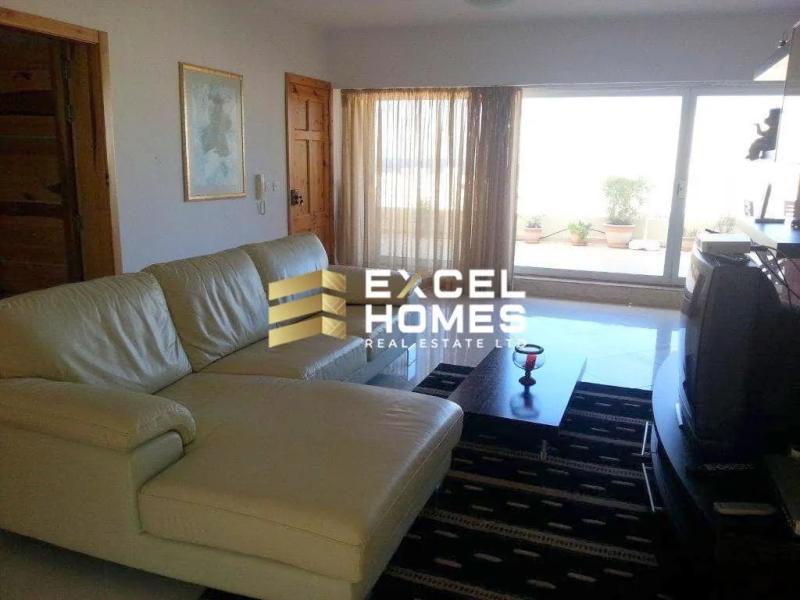 €1,000,000
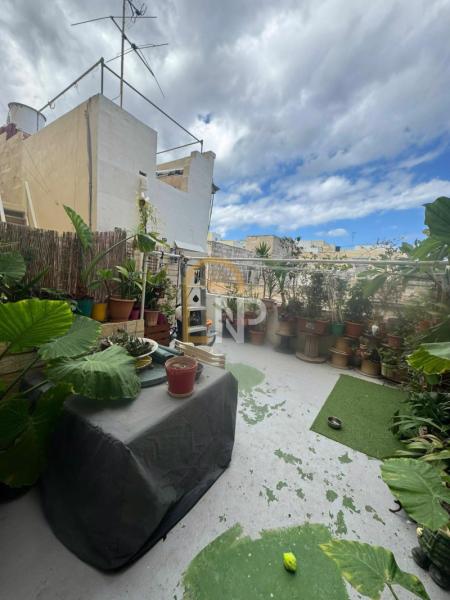 €685,000
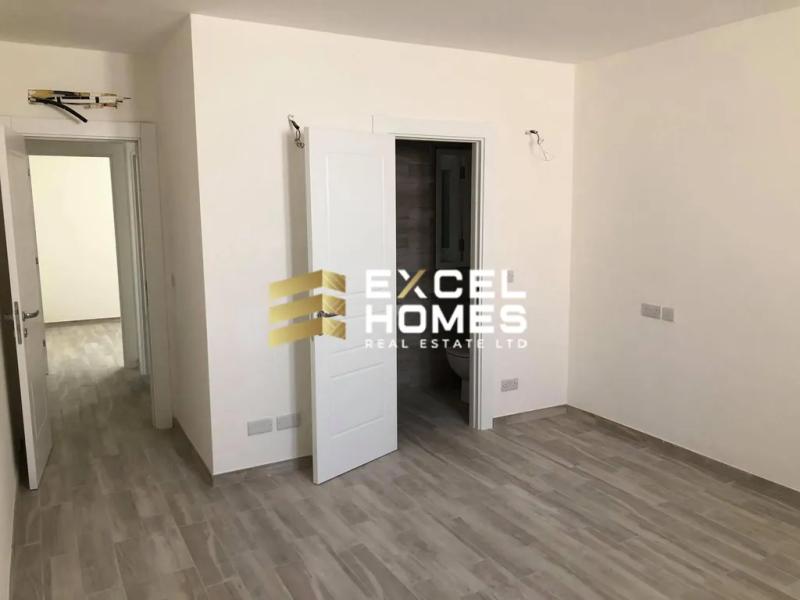 €345,000
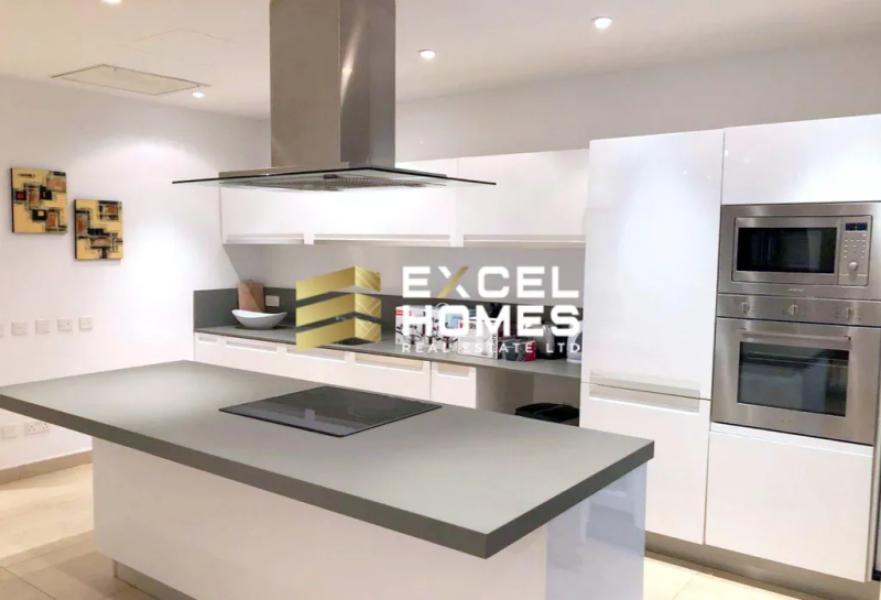 €837,000
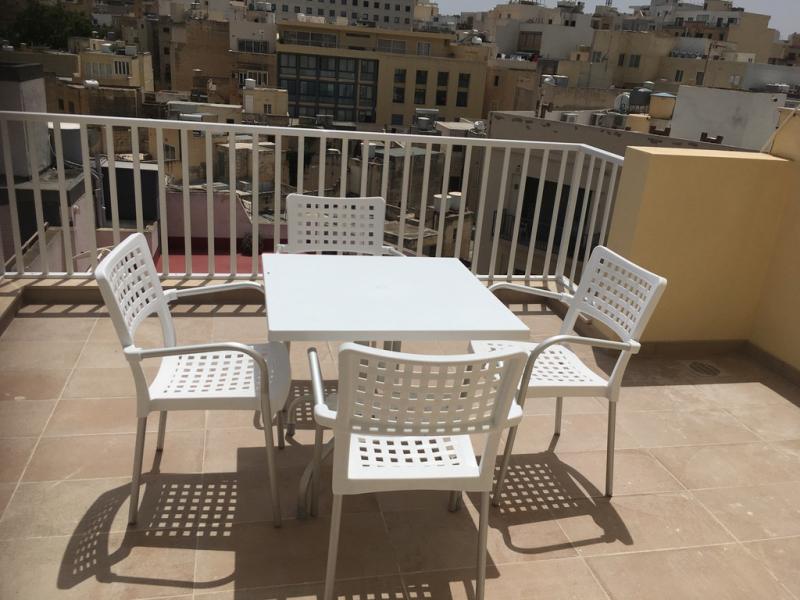 €550,000
Costs & incentives
Tax, costs and residency
The rules and schemes that shape the return on a Maltese property investment.
Stamp duty & buying costs
Buyers typically budget around 5% stamp duty plus notary and searches. First-time buyers and some property types qualify for reduced rates.
Rental income tax
Rental income can be taxed at a flat 15% final withholding rate in Malta, a simple and competitive regime for landlords.
Residency by investment
Buying or leasing property can form part of Malta’s residency routes for non-EU investors, alongside the other requirements.
Short-let licensing
Short-term holiday letting is possible but licensed and regulated. Long-let is the simpler route for most Sliema investors.
Good to know
Investing in Sliema, answered
What rental yield can I get in Sliema?
Gross yields on long-let Sliema apartments are typically in the region of 3.5% to 4%, with seafront and well-presented units at the keener end on price but the most reliable to let. Net yield depends on charges, management and tax, we can model a specific property with you.
Can foreigners buy property in Sliema?
Yes. Non-residents can buy in Malta, usually via an Acquisition of Immovable Property permit, though many apartments in designated areas are exempt and Special Designated Areas carry no restriction at all. We can confirm the position for any specific property.
Is Sliema a good buy-to-let?
It is one of the most dependable rental markets in Malta. Broad, year-round tenant demand and short void periods make it a lower-risk choice than towns that rely on seasonal or holiday lets, at the cost of a keener entry price.
What are the total costs of buying?
As a rule of thumb, budget around 5% stamp duty plus notary fees, searches and any agency or legal fees. Off-plan and first-time purchases may qualify for reduced duty, see the grants and schemes for the current reliefs.
Short-let or long-let in Sliema?
Both work, but long-let is simpler: steadier income, less management and no licensing hurdle. Short-let can earn more per night given the location, but it is licensed, more hands-on and more seasonal. Most investors here choose long-let.
Buying to live in?
Prefer to make Sliema home?
If you are buying to live in rather than to let, our guide to Sliema covers the lifestyle, the neighbourhoods, getting around and the homes on the market.
Invest with us
Investing in Sliema?
Tell us your budget and strategy and we will send a shortlist of Sliema opportunities that fit, with the numbers modelled for each.
Get in touchWe reply to every enquiry.